

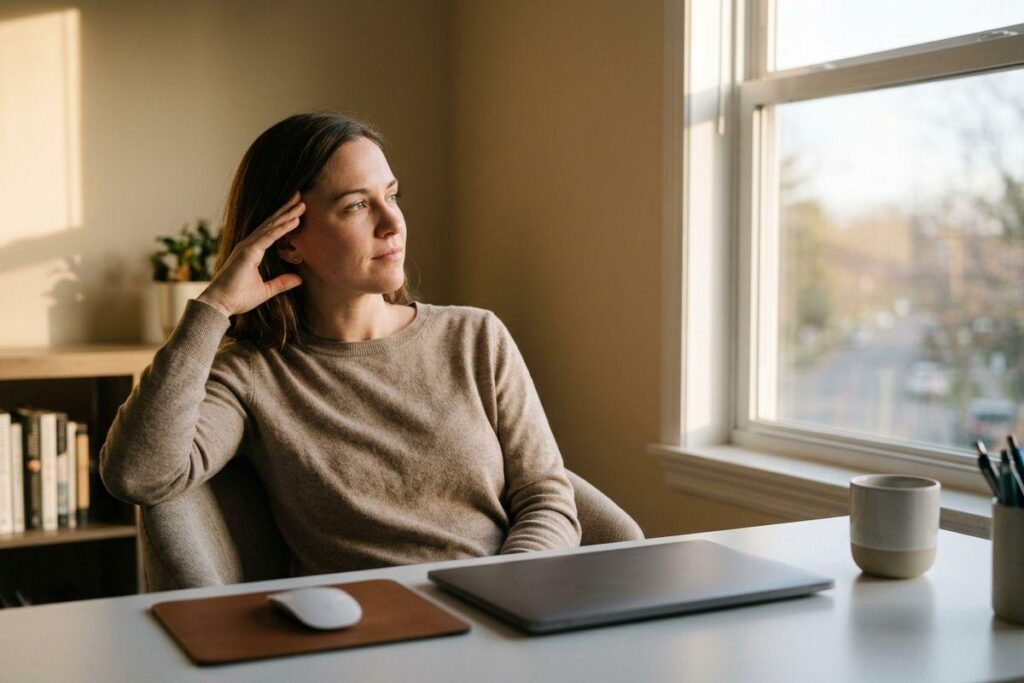
Life gets busy, and eye exams tend to slide down the to-do list. Maybe your glasses still seem fine, or maybe you can’t remember the last time an optometrist looked at your eyes.
The right schedule depends mostly on your age and your health history. Most adults between 20 and 64 need a comprehensive eye exam at least every 2 years, while kids and seniors usually need one every year. Some people with certain health conditions need yearly visits too, and little ones can start with children’s eye exams well before they head to school.
Eye Exam Frequency by Age
Your eyes keep changing throughout your life, which is why recommended exam schedules look a little different for each age group. Here’s a closer look at each stage.
Eye Exams for Babies, Kids, and Teens
Eye care starts earlier than many parents expect. Plan on these visits for your child:
- A first exam between 6 and 9 months
- At least 1 exam between ages 2 and 5
- A yearly exam from ages 6 to 19
Eye Exams for Adults 20 to 64
Book an eye exam at least every 2 years if your eyes are healthy and nothing seems off. Provincial health guidance suggests every 1 to 2 years for this age group, so ask your optometrist which end of that range suits you.
Eye Exams for Adults 65+
Plan on an eye exam every year once you turn 65. Conditions like cataracts become more common with age, and they tend to develop slowly enough that you might not notice. Yearly visits give your optometrist a chance to compare your results from one exam to the next.
When You Might Need Eye Exams More Often
Some people need a shorter pause between visits, no matter their age. If you have diabetes, book a diabetic eye exam every year. High blood sugar can damage the tiny blood vessels in your retina, which is the light-sensitive layer at the back of your eye.
A family history of eye disease also raises your risk. So do early signs of glaucoma or macular degeneration, which your optometrist may want to monitor more closely.
Do you wear contacts? Plan on a yearly contact lens exam so your optometrist can check the fit and look for dryness or irritation. Glasses wearers can benefit from regular visits too, since prescriptions often change so gradually that you adjust without realizing it.
Why Regular Eye Exams Matter
Many eye conditions don’t cause obvious symptoms in their early stages. Your vision can seem clear while a problem develops at the back of your eye, so sticking to a schedule can help more than waiting for something to feel wrong.
Your eyes can also reveal signs of health issues elsewhere in your body. When your optometrist spots a concern early, you’ll have more options to talk through together.
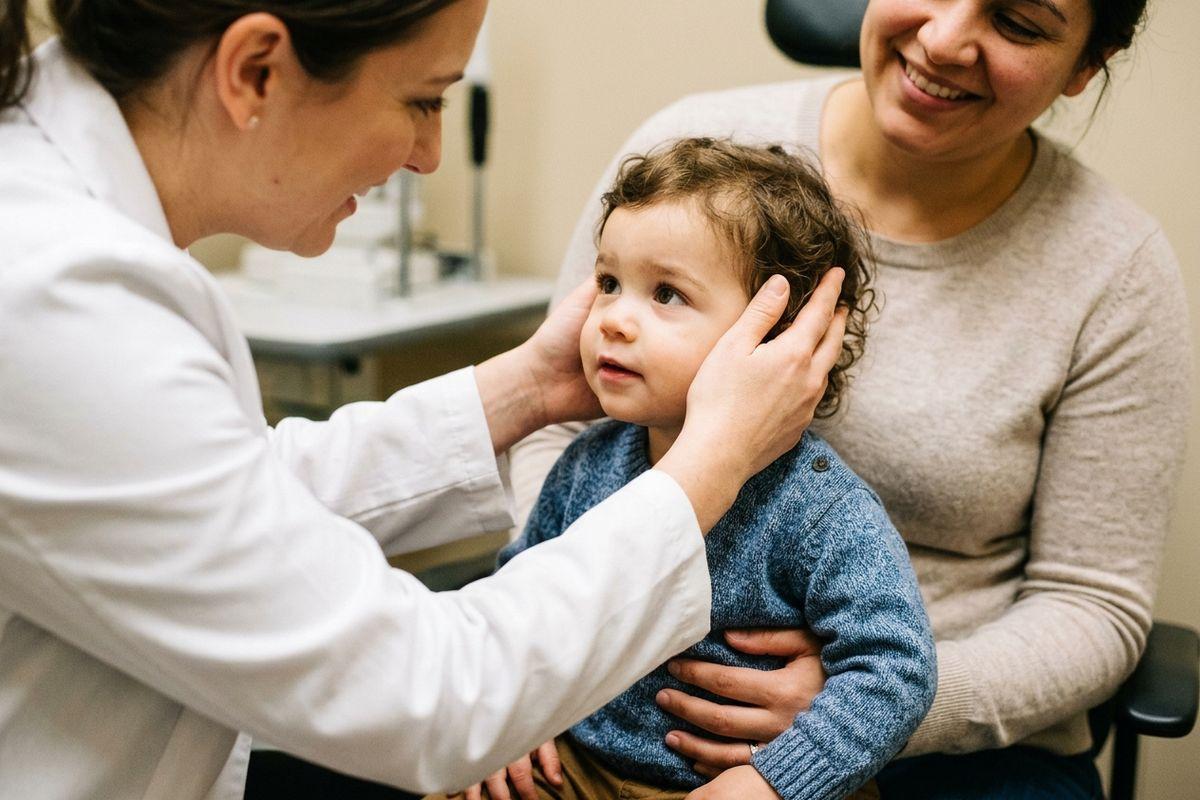
What to Expect at a Comprehensive Eye Exam
Your visit starts with a conversation about your health and what your days look like. A graphic designer and a long-haul trucker use their eyes very differently, and we’d like to know which one sounds more like you.
Next, we’ll do vision testing to check your prescription. Your optometrist may also use retinal imaging to take detailed pictures of the back of your eye, including the optic nerve and blood vessels.
Ask questions as you go. We’re always happy to explain what a test is for and what your results mean.
Signs You Should Book an Eye Exam Sooner
Don’t wait for your next scheduled visit if something feels different. Book sooner if you notice any of these:
- Frequent headaches
- Blurry vision
- Tired or sore eyes after reading
- Sensitivity to light
- Holding your phone or books closer than usual
Call right away if you have sudden vision loss or eye pain.
Everyday Habits That Support Your Eye Health
Give your eyes regular breaks on screen-heavy days with the 20-20-20 rule. Every 20 minutes, look at something 20 feet away for 20 seconds.
Wear UV-blocking sunglasses outdoors, even on cloudy days. If you play sports, protective eyewear can help prevent injuries. And if you wear contacts, wash your hands before you handle them and replace them as often as your optometrist recommends.
Finding Glasses You’ll Love Wearing
Your frames sit front and centre every day, so choose a pair that feels like part of your style. You can find designer glasses at a range of prices, from simple everyday frames to bold shapes that stand out at the office.
Our opticians can help you find frame shapes that suit your face. We’ll also recommend lenses based on how you use your eyes, whether you spend hours at a computer or drive a lot at night.
Book Your Next Eye Exam
Whether your last exam was 2 years ago or you’ve lost track completely, now’s a good time to get back on schedule. At Castledowns Vision Centre, our optometrists offer comprehensive eye exams for every age, and our optical boutique is right inside the clinic.
Book your appointment today, and take your time browsing frames while you’re here.