

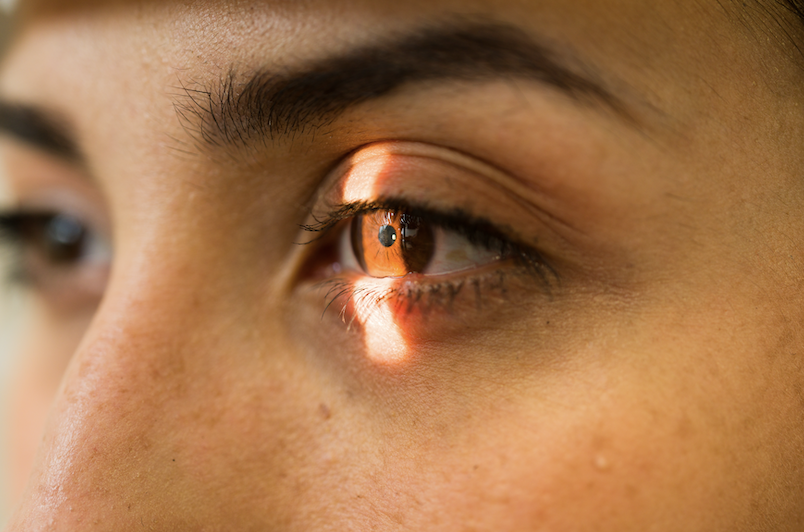
You might think your eye exam only checks if you need glasses, but your eyes reveal much more about your health than you realize. Those few minutes spent looking into modern equipment can uncover conditions affecting your entire body, often before you notice any symptoms.
Your comprehensive eye exam can detect many different diseases, including glaucoma, diabetes, high blood pressure, autoimmune conditions, and even neurological disorders like multiple sclerosis or brain tumors. This makes your regular visit to Castledowns Vision Centre one of your most valuable health screenings.
Common Eye Diseases Your Optometrist Can Spot Early
Glaucoma can sneak up without warning, slowly stealing your peripheral (side) vision while you go about your daily routine. During your eye exam, your optometrist measures the pressure inside your eyes and examines your optic nerve for telltale signs of damage.
Diabetic retinopathy shows up as tiny blood vessel changes in your retina, often appearing years before you develop other diabetes symptoms. Your optometrist can spot these microscopic leaks and bulges during your retinal examination.
Macular degeneration also leaves distinctive marks on your retinal tissue that trained eyes can identify long before your central vision becomes affected.
How Early Detection Protects Your Vision
Many serious eye diseases develop silently for months or years without pain, vision changes, or other noticeable symptoms. By the time you realize something’s wrong, permanent damage may have already occurred. Your regular eye exam acts like an early warning system, catching problems while they may still be treatable.
You can often slow or stop progression completely with proper intervention, but advanced cases may require more intensive treatments with less predictable outcomes.
Systemic Health Conditions Revealed Through Eye Exams
Your retinal blood vessels provide a unique window into your cardiovascular health since they’re the only blood vessels your eye doctor can see directly without surgery. High blood pressure can lead to characteristic changes in these vessels. They may appear narrowed, kinked, or show signs of bleeding that indicate your condition needs immediate attention.
Autoimmune diseases like rheumatoid arthritis and lupus can create inflammation patterns in your eye tissues that experienced eye doctors can recognize.
Signs Your Optometrist Looks For
During your retinal examination, your optometrist examines the intricate network of blood vessels at the back of your eye. Abnormal narrowing, unusual branching patterns, or tiny hemorrhages all tell a story about your overall health. These changes often appear months before you experience symptoms elsewhere in your body.
Swelling or inflammation in specific eye tissues can indicate autoimmune activity or other systemic conditions. Your optic nerve tissue also reveals important information about neurological health that might not show up on other routine medical tests.
Neurological Conditions That Can Show Up in Your Eyes
Multiple sclerosis often announces itself through optic nerve inflammation, leading to vision changes that bring people to the eye doctor before they realize they have a neurological condition. Brain tumors can create pressure that affects your visual fields, creating blind spots you might not even notice in daily activities.
Stroke effects sometimes appear in eye movement coordination or visual field defects. Your optometrist can detect these subtle changes during routine testing, potentially alerting you to cardiovascular risks that need immediate medical attention through emergency eye care protocols.
When to Schedule Immediate Care
Sudden vision loss, even if it comes and goes, requires urgent evaluation since it can indicate stroke or other serious conditions. Severe headaches combined with vision changes, eye pain, or light sensitivity also warrant immediate attention rather than waiting for your next scheduled appointment.
Double vision, difficulty coordinating eye movements, or new blind spots in your visual field can signal neurological problems that need prompt medical evaluation. Your eye care team can help coordinate referrals to appropriate specialists when these concerning symptoms appear.
Modern Testing Your Optometrists May Use
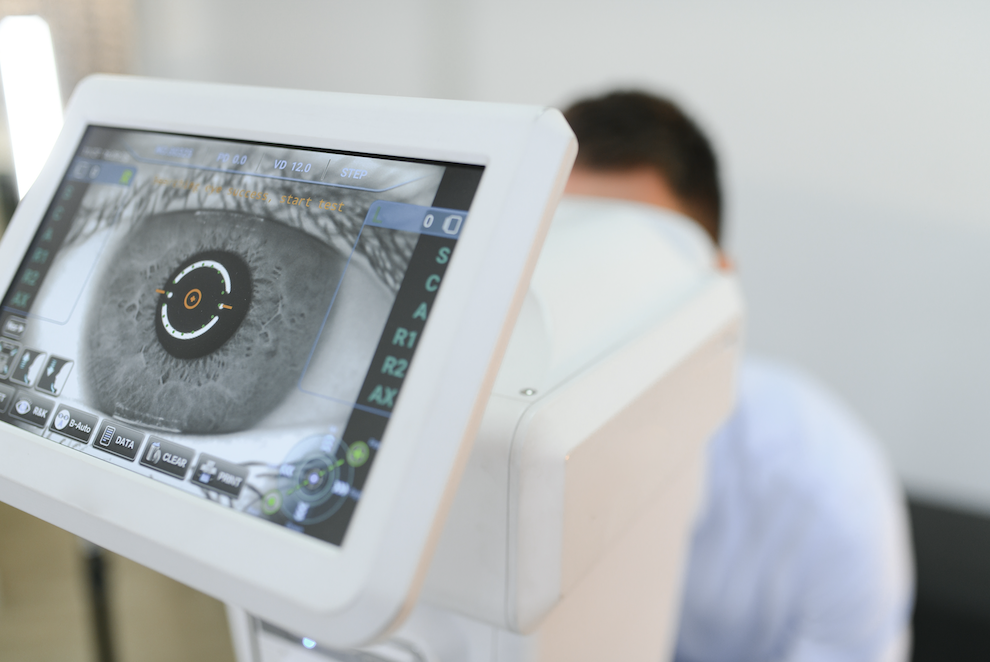
Digital retinal imaging captures detailed photographs of the back of your eye, creating a permanent record that can be compared over time to track subtle changes. This technology reveals details invisible during traditional examination methods and helps document your eye health journey.
Optical coherence tomography (OCT) creates cross-sectional images of your retinal layers, similar to an MRI for your eye.
Visual field testing maps your complete field of vision, detecting blind spots or peripheral vision loss that might indicate glaucoma or neurological conditions through comprehensive disease diagnosis and management.
What These Tests Can Reveal
These diagnostic tools can detect microscopic tissue changes months or years before symptoms develop. You can benefit from early intervention when problems are most treatable. The detailed images also allow precise monitoring of disease progression and treatment effectiveness over time.
Comparing your current results with previous visits helps identify even subtle changes that might indicate developing problems. This ongoing documentation becomes invaluable for long-term health management and treatment planning.
Making Eye Health Part of Your Lifestyle
Your eye exam gets personalized based on your health history, family background, and lifestyle factors. If you have diabetes, high blood pressure, or other conditions, your screening includes additional testing specifically designed to catch related eye problems early.
Regular eye exams can fit easily into your busy professional schedule, typically taking less than an hour while providing comprehensive health insights.
Your eye health affects every aspect of your daily life, from work performance to personal safety. Schedule your comprehensive eye exam at Castledowns Vision Centre to discover what your eyes reveal about your overall health.